Rékai Zsolt
About Rékai Zsolt
Pécs, Hungary
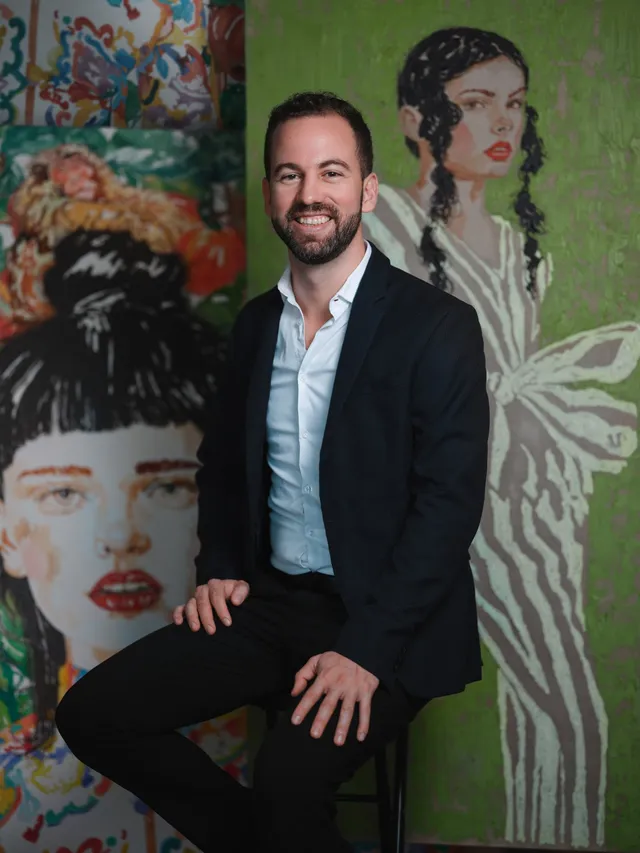
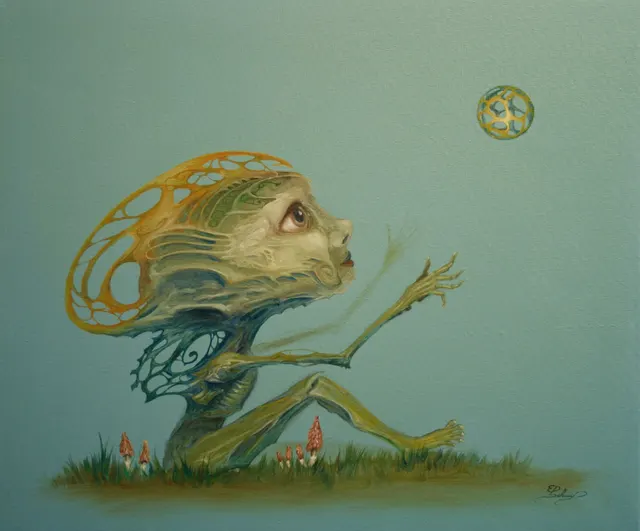
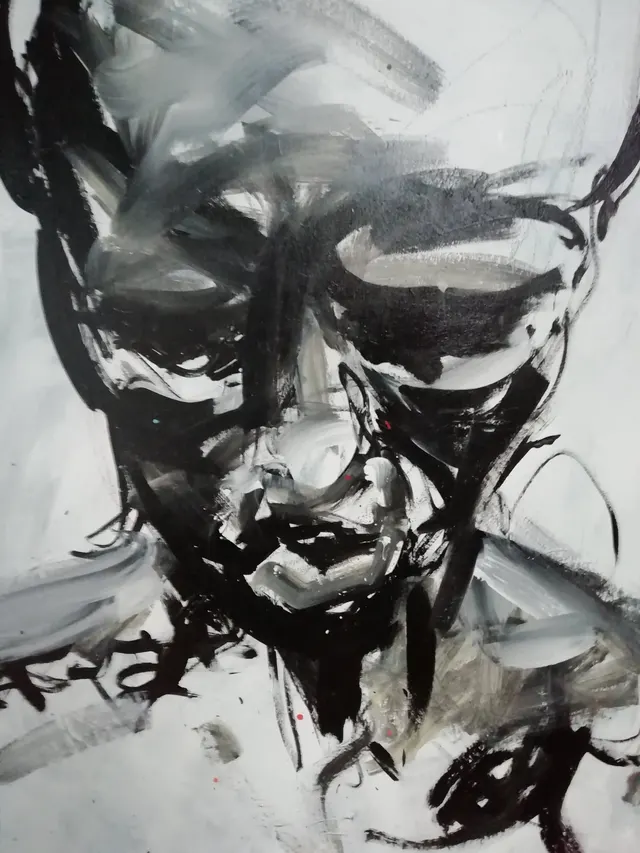
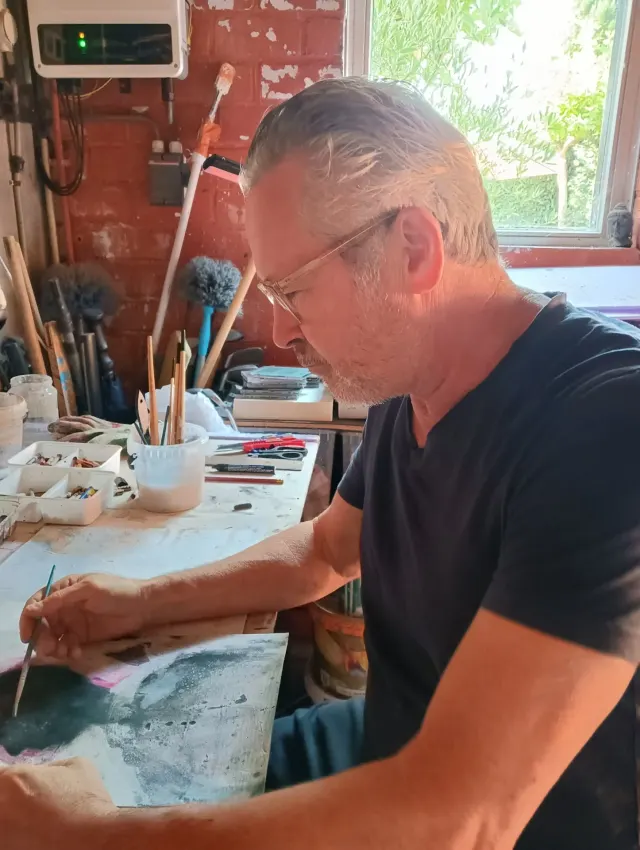
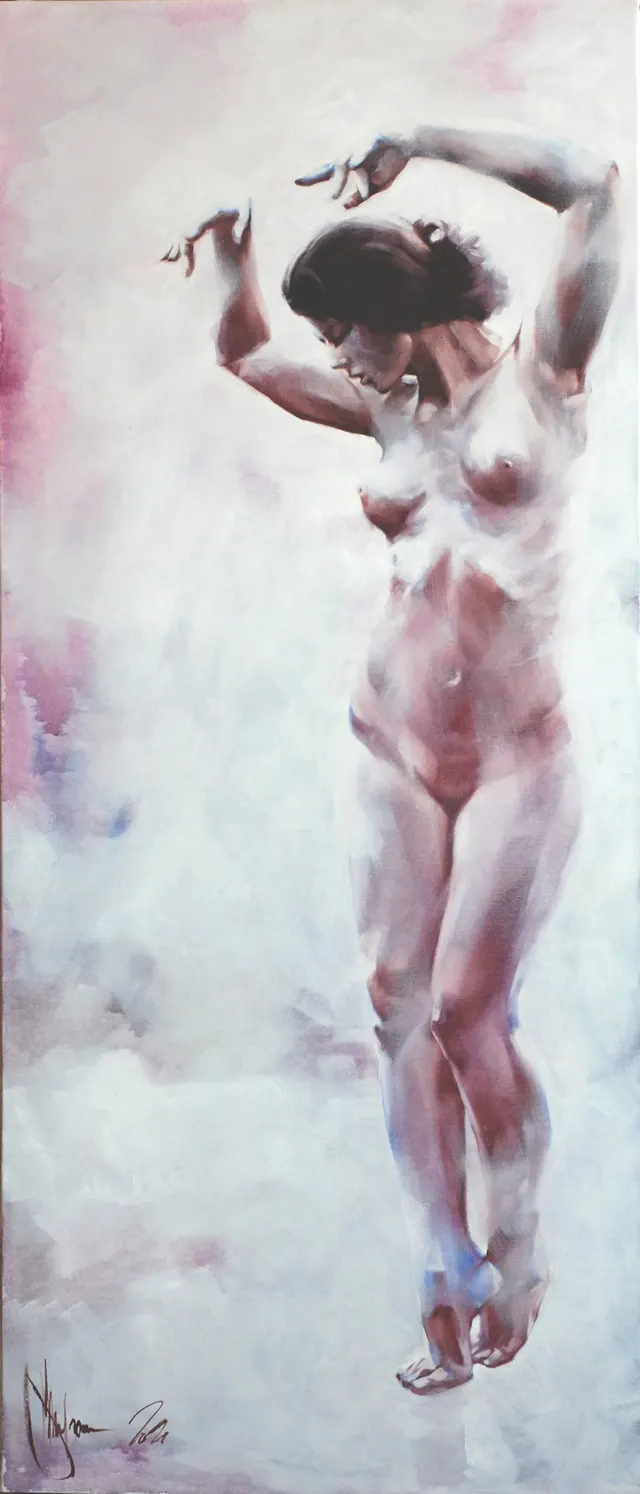
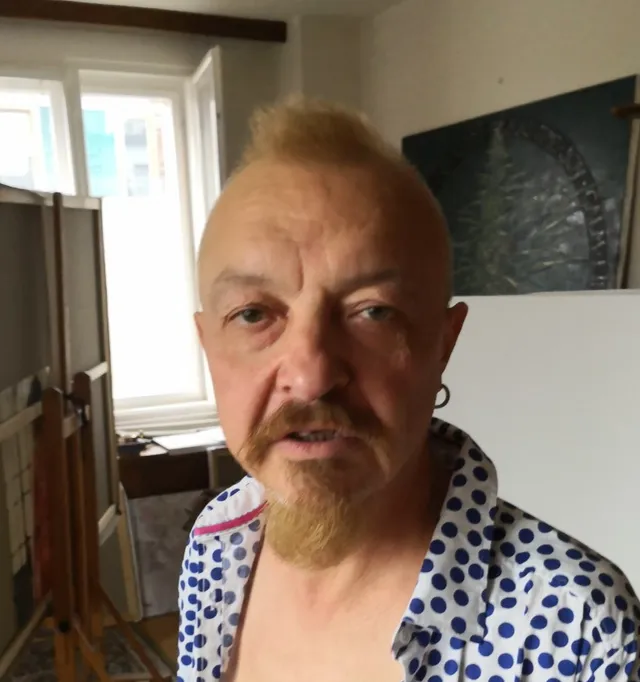
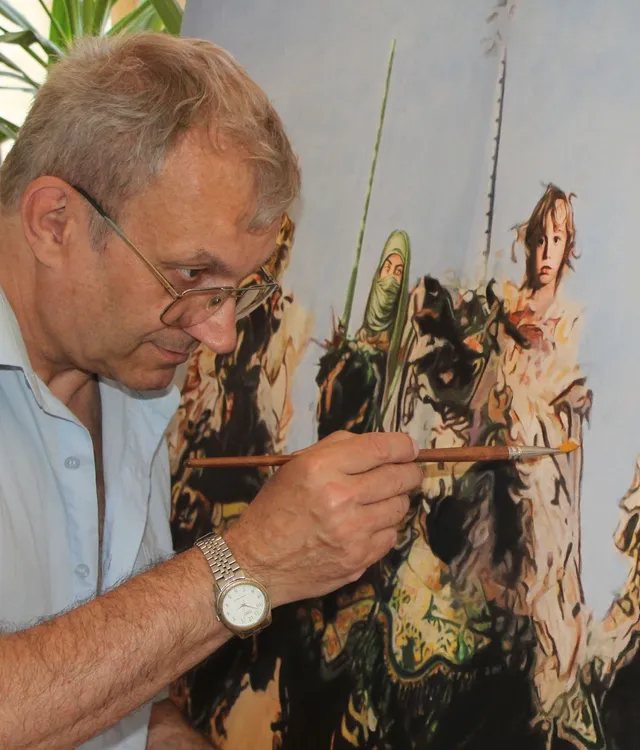
Zsolt Rékai – Contemporary Hungarian Surrealist Painter Zsolt Rékai is a contemporary Hungarian painter, widely recognized for his masterful use of surrealism, which forms the basis of his artistic expression. He lives and works in Hungary, and his creative practice explores the intersections of postmodern aesthetics, philosophy, and visual storytelling.
Zsolt Rékai was born in Baja and lives in Pécs. Pécs is a Hungarian metropolis, one of the European Capitals of Culture in 2010. He studied at the Faculty of Humanities of the University of Pécs, where his philosophical and aesthetic studies laid the foundation for his artistic path. His early influences include such renowned artists as Endre Szász, István Sándorfy, Zsolt Bodoni, László Nyári, and Dino Valls, whose work led him towards technical precision and symbolic depth. Rékai has participated in over thirty solo and group exhibitions, and her works have been featured in domestic galleries and international art platforms.
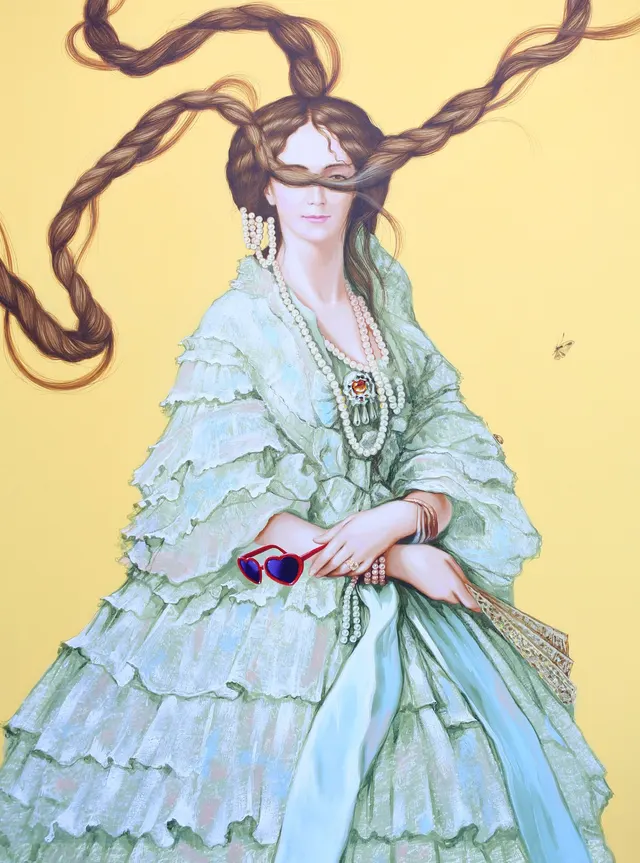
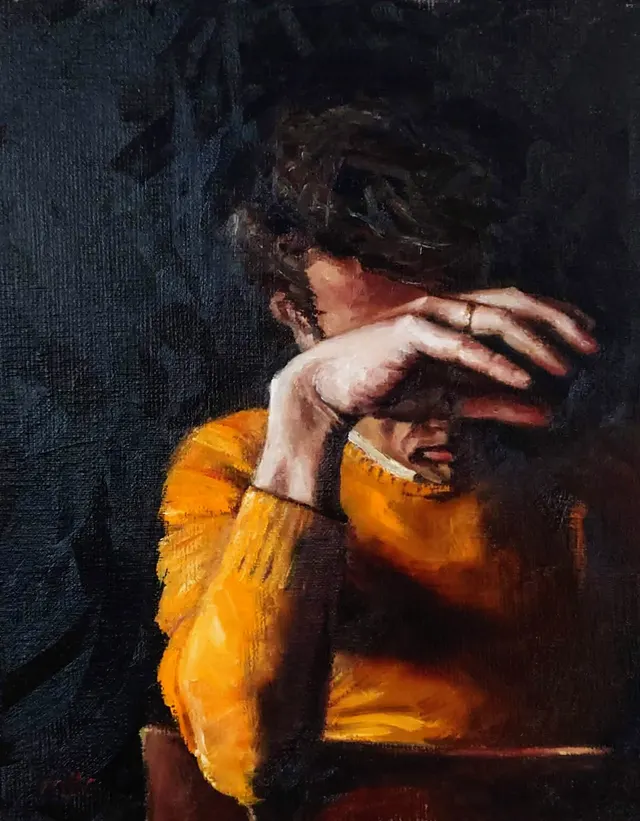
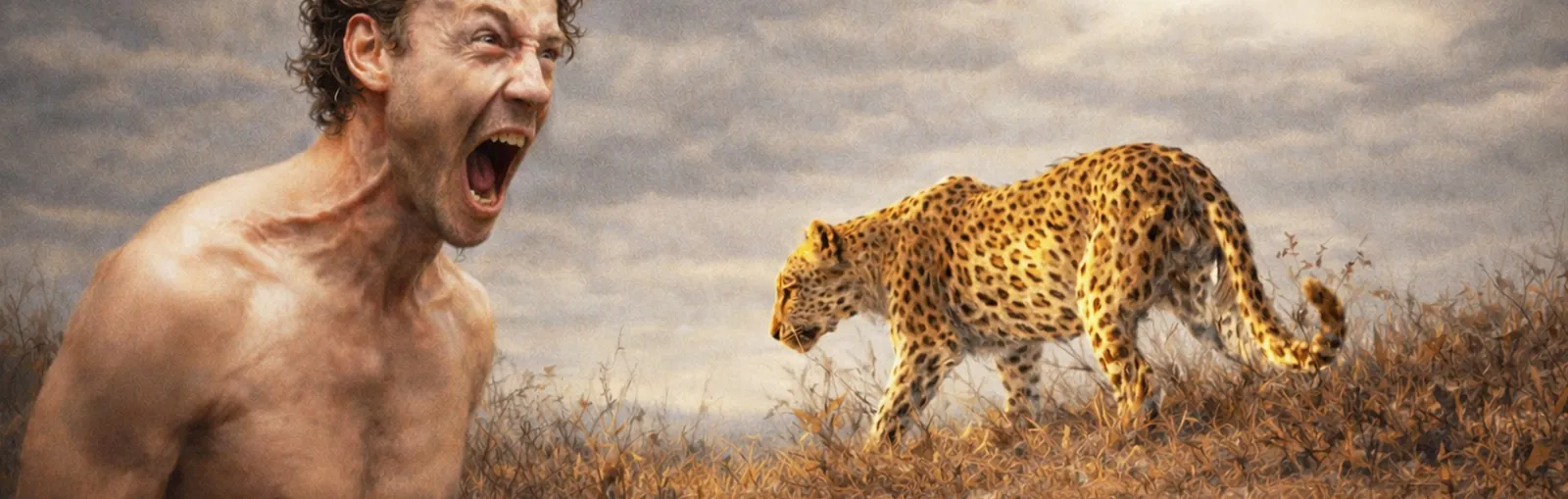
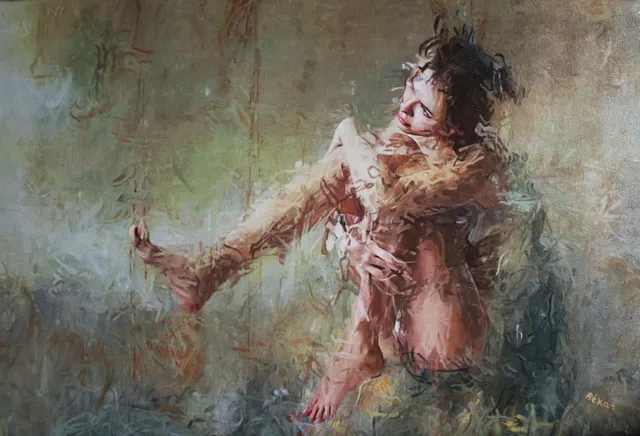
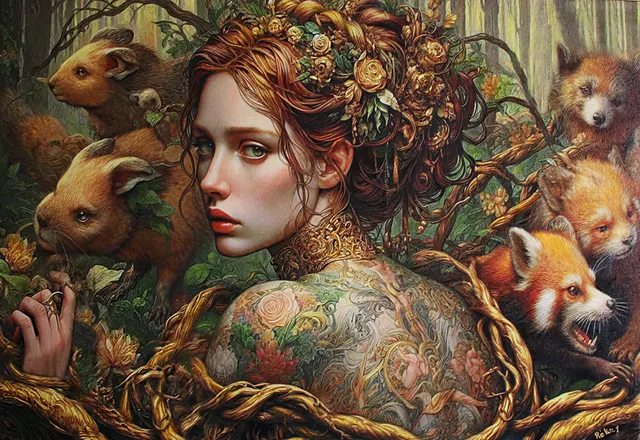
Her paintings contribute to the ongoing discourse surrounding surrealism and contemporary Hungarian art, and have appeared on the global art market, confirming her presence in the broader landscape of European contemporary painting. Her artistic vision is deeply inspired by thinkers such as Martin Heidegger and Jacques Derrida. Through her work, she engages with their efforts to transcend metaphysics and places these philosophical investigations in the context of modern social fragmentation. Rékai combines traditional oil painting techniques with cutting-edge imaging procedures, creating unique technical media mixes. Recurring motifs in her paintings include female figures radiating life potential, animal instincts, and archetypal symbols, all of which evoke deep psychological and cultural layers. Within the realm of surrealism, Zsolt Rékai creates visually captivating and intellectually provocative artworks that challenge traditional perspectives and initiate a dialogue between reality and imagination. His paintings are evidence of his commitment to pushing artistic boundaries and exploring the intersections of philosophy and visual representation.